Speech to Text Free: Turn Lectures into Notes
Learning how to turn lectures into structured notes efficiently is a major productivity upgrade—especially if you are juggling classes, training sessions, or long educational recordings.
We’ve all experienced it: hours of lectures saved on your laptop or phone, filled with useful explanations, frameworks, and definitions. Yet those recordings sit untouched because replaying and typing them out feels like a second full-time job. This growing archive of audio becomes digital clutter. Important insights get buried. Valuable explanations go unused.
The real challenge is not recording content.
It is transforming spoken information into organized, usable knowledge.
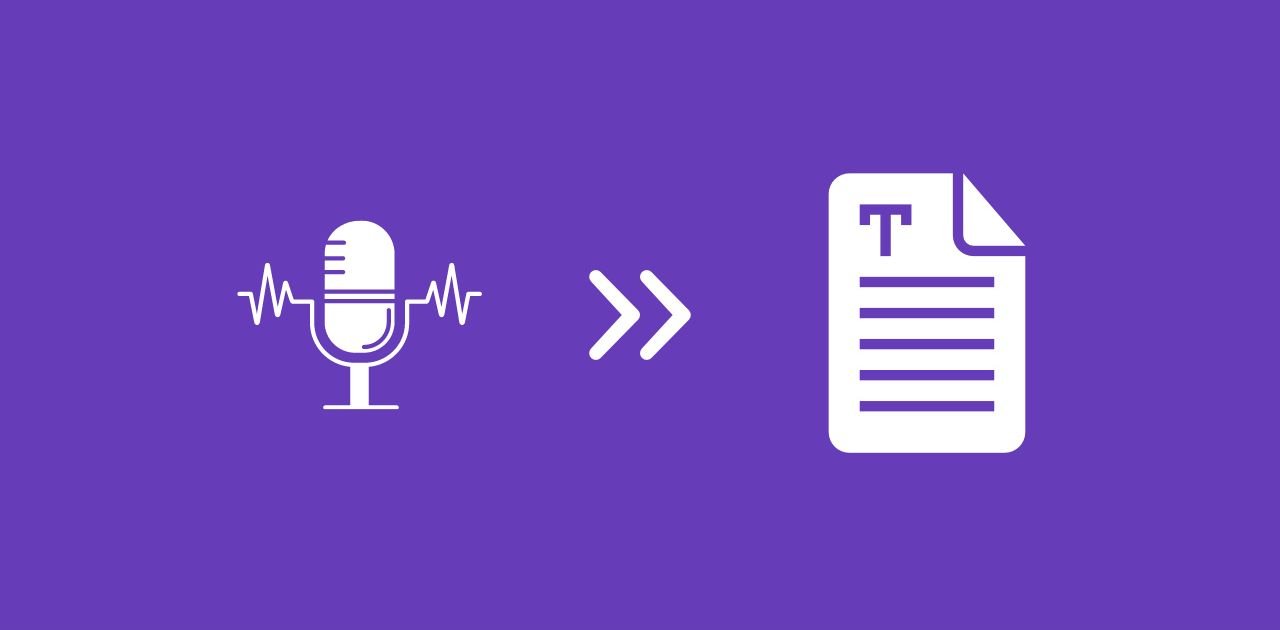
Modern speech to text online technology solves the first layer of that challenge by converting audio into text automatically. But in 2025, true efficiency requires more than basic transcription.
If you are looking for a scalable way to turn lectures into structured notes, Vomo.ai is designed exactly for that shift. Powered by advanced ASR models and GPT-5.2 integration, it moves beyond simple transcription. Instead of converting one file at a time and leaving you with raw text, it turns recordings into searchable, structured knowledge that you can summarize, analyze, and reuse.
This article explains how speech to text free tools work today—and how you can use them to transform lecture recordings into intelligent notes.
What Is Speech to Text Free and How Does It Work?
“Speech to text free” refers to tools that convert spoken language into written form without requiring manual typing.
Behind that simplicity lies sophisticated technology.
At Vomo.ai, transcription is powered by:
- Nova-2 models
- Azure Whisper
- OpenAI Whisper
These systems use Automatic Speech Recognition (ASR) to analyze sound waves, identify linguistic patterns, and predict word sequences based on contextual probability.
That is how modern audio to text systems can achieve up to 99% accuracy under strong recording conditions.
Here’s what happens behind the scenes:
- Your lecture file is uploaded securely.
- The ASR engine breaks the audio into milliseconds-long segments.
- Acoustic models detect phonetic signals.
- Language models predict full words and phrases.
- AI refines output based on grammatical context.
The result is no longer a messy block of text. It is structured, readable, and searchable content.
Accuracy improves even further when recordings are clear and speakers are distinct.
But conversion is only the first step.
Why Turning Lectures into Notes Changes the Workflow
Transcription is useful.
Structured knowledge is powerful.
Many students record lectures yet still struggle to create exam-ready materials. Professionals attend seminars but forget key details weeks later. Creators capture ideas that never get systematically organized.
Turning lectures into notes solves three major problems:
1. Information Retention
When lectures are converted to searchable text:
- You can look up specific definitions instantly.
- You can find key quotes in seconds.
- You no longer rely on memory alone.
2. Time Efficiency
Instead of:
- Replaying two-hour recordings,
- Pausing constantly,
- Typing manually,
You automate the entire capture phase.
Recent updates in Vomo’s performance engine also improved upload speeds by up to 10x, reducing processing friction significantly.
3. Knowledge Structuring
Raw transcripts are helpful.
Structured summaries are transformative.
This is where intelligent tools differentiate themselves.
Vomo.ai: From Transcription to Intelligent Study Notes
Unlike basic apps that only convert audio, Vomo functions as a full ai meeting note taker—capable of extracting meaning, not just words.
Here is how it transforms lecture recordings into notes.
GPT-5.2 “Ask AI” Integration
Once your transcript is generated, you can interact with it directly.
You can ask:
- “Summarize this lecture in bullet points.”
- “List key theories discussed.”
- “Extract all definitions.”
- “Turn this into flashcards.”
- “Create a practice quiz.”
Instead of reading dozens of paragraphs, you extract what matters most.
This transforms static text into dynamic knowledge.
Smart Formatting and Structuring
Vomo automatically:
- Organizes transcript sections
- Separates speakers when possible
- Cleans formatting for readability
You are not staring at a wall of words. You are working with usable information.
Mobile-First Workflow
Many lectures and training sessions are recorded directly on smartphones.
If you need to quickly capture and process ideas, the ability to transcribe voice memo recordings from iOS or Android becomes critical.
With Vomo’s mobile support:
- Record lecture segments instantly.
- Upload multiple files efficiently.
- Sync across devices (iOS, Android, Web).
- Access and analyze transcripts anywhere.
The workflow becomes:
Record → Transcribe → Ask AI → Export.
No duplication. No rewriting.
Step-by-Step: Turn Any Lecture into Notes for Free
Here’s a practical walkthrough.
Step 1: Record or Upload Your Lecture
You can:
- Record live in the app
- Upload an existing audio file
- Import recorded classroom sessions
Batch processing allows multiple files to be handled efficiently.
Step 2: Automatic Transcription
Powered by Nova-2 and Whisper models, Vomo generates a highly accurate transcript.
Under optimal audio conditions, accuracy approaches 99%.
Step 3: Review for Clarity
Scan for minor corrections if needed.
Clear audio usually requires minimal editing.
Step 4: Use Ask AI to Create Notes
This is where transformation happens.
Try prompts like:
- “Summarize into exam revision notes.”
- “List 10 key takeaways.”
- “Highlight all examples given.”
- “Create structured lecture outline.”
Within seconds, your transcript becomes organized learning material.
Step 5: Export and Reuse
Download:
- Clean text summaries
- Shareable notes
- Structured outlines for revision
The difference is not just speed—it is workflow redesign.
Speech to Text Free vs Manual Note-Taking
Let’s compare realistically.
Manual Method:
- Listen carefully
- Type continuously
- Miss content while writing
- Reorganize later
- Rewrite messy notes
Estimated time: 2–3 hours per 60-minute lecture.
AI-Assisted Method with Vomo.ai:
- Record once
- Generate transcript
- Extract structured notes with AI
- Review quickly
Estimated time: under 20 minutes for structured output.
The gap is not incremental. It is exponential.
Is Speech to Text Free Accurate Enough?
Accuracy determines trust.
Vomo.ai’s transcription engine relies on:
- Nova-2 models for contextual recognition
- Azure Whisper for multilingual robustness
- OpenAI Whisper for deep speech modeling
These models are trained on massive multilingual data sets and refined continuously.
However, results depend on:
- Microphone quality
- Background noise levels
- Speaker clarity
For academic precision, quick manual review is recommended.
Still, AI transcription paired with GPT-powered summarization often captures more nuance than fragmented handwritten notes.
Frequently Asked Questions
Is speech to text free reliable for lectures?
Yes. Modern ASR models can deliver highly accurate results, especially with clean audio conditions.
How do I turn lectures into structured notes automatically?
Upload or record your lecture, generate the transcript, and use AI tools to summarize and organize the content.
Can I process multiple recordings efficiently?
Yes. Vomo supports bulk processing and faster uploads, reducing wait times.
What makes Vomo different from basic transcription apps?
It combines high-accuracy ASR with GPT-5.2-powered analysis, turning transcripts into structured knowledge assets.
Is this suitable for professionals as well as students?
Absolutely. Training sessions, workshops, and seminars can all be converted into organized documentation.
From Recordings to Knowledge Assets
Lecture recordings are valuable.
But value appears only when information is structured and actionable.
With Vomo.ai, transcription becomes the starting point—not the endpoint.
You move from:
Raw audio → Transcript → Structured insights → Usable notes.
Instead of drowning in recordings, you build a searchable knowledge base.
And that is the real promise of speech to text free in 2025.