
Why Some Cricket Matches Are Won in the First 5 Overs
Like in any sport, sometimes the final score and the stats are not everything, they don’t tell you the whole match story, and cricket is not different. A lot of games, especially in modern formats, are shaped much earlier. Not at the death. Not even in the middle overs. Right at the start. Those first few overs tell you more than people think.
Powerplay Isn’t Just About Runs
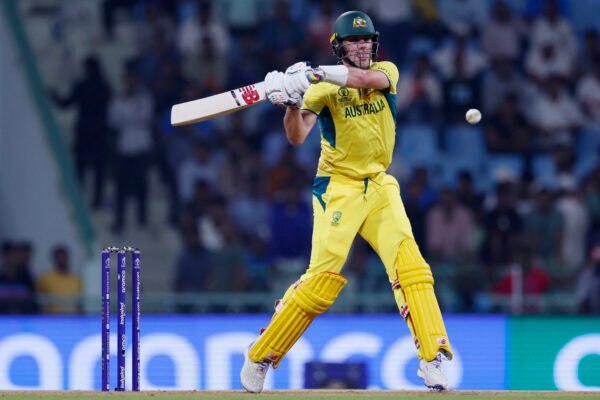
In T20 and even ODI cricket, the powerplay gets talked about in simple terms. How many runs were scored. Whether a team “started well.” But the more useful number is wickets. Teams like India national cricket team or England national cricket team get through the first six overs with 0 or 1 wicket down, their scoring rate almost always climbs later. When they lose 2 or more early, the entire innings slows, even if the run rate looks fine at first. That’s where the shift happens.
Fast Starters vs Slow Builders
For cricket betting fans, there are important patterns and they usually know them well. Some sides go hard immediately. England under their current white-ball approach is the clearest example. They’re willing to risk early wickets to push the scoring rate above 9–10 runs per over right from the start. Others, like the Pakistan national cricket team at times, prefer to build. Lower risk early, preserve wickets, accelerate later. Statistically, both approaches work, but they create very different match shapes.
Aggressive starts:
- Higher powerplay run rate
- More early wickets
- Bigger swings in momentum
Slower starts:
- Lower early risk
- More stable middle overs
- Dependence on late acceleration
Where Matches Actually Flip
If you track recent games, especially in T20 leagues and internationals, a pattern shows up. Teams that score 50+ in the powerplay without losing more than one wicket win a large percentage of matches. Not because 50 is a magic number, but because of what it allows later. It gives freedom. Batters can take risks in the middle overs. Strike rotation becomes easier. Bowlers are forced to adjust earlier than planned. On the other side, a team sitting at 35/2 after six overs often spends the next 8–10 overs just trying to rebuild. That doesn’t always show immediately on the scoreboard, but it shows in intent.
Why This Matters for Betting
This is where things get interesting. Pre-match odds don’t fully capture how important the first few overs are. But live odds react quickly once that phase plays out. You’ll often see sharp movement after the powerplay, especially in T20 matches. A team at 60/0 after six overs becomes a clear favorite very quickly. A team at 30/3, even if they recover later, usually stays behind in the market. That creates small windows where the game and the odds aren’t fully aligned yet.
Bowlers Are Driving This More Than Ever
Another shift that’s easy to miss is how teams are using bowlers early. New ball specialists are being used more aggressively, sometimes even bringing attacking options for shorter bursts instead of saving them for later. The goal isn’t just containment anymore. It’s disruption. One early wicket changes everything. Two can reshape the entire innings. That’s why teams attack the stumps more, set aggressive fields, and accept the risk of giving away runs. Because the reward is bigger than it used to be.
It’s Not About the Finish Anymore
There was a time when matches were judged by how teams finished. Now, especially for bettors and fans, the match itself matters as well. The final overs still matter, but they usually reflect what happened earlier rather than change it completely. Once you start watching those first six overs more closely, the game opens up differently. Not as a slow build, but as something that’s already being decided while most people are still settling in.