



Why Newzire Hires Beat Journalists With Years of Experience
Richard E. White spent 16 years testing graphics cards, benchmarking processors, and reviewing game performance before joining a news publication. When Nvidia’s stock price moved on Wells Fargo analyst projections in November 2025, he understood the technical fundamentals driving the valuation.
His article explained why analysts raised price targets from $220 to $265. He connected GPU architecture improvements to data center demand. He linked gaming hardware sales to cloud computing growth. Readers got context that required years of technology reporting to provide.
A generalist reporter would have summarized the price target increase. White explained why it happened.
This represents Newzire’s approach to journalism: hire specialists who spent years covering specific beats, then let them report on what they know.
Four Beats, Four Specialists
The London publication operates with four journalists. Each owns a distinct coverage area. None overlap. Each brings depth that generalists can’t match.
Legal Affairs and Breaking News: Alicia D. Carswell spent nine years covering criminal proceedings, civil litigation, and court decisions. She knows how to read legal filings, interpret jury verdicts, and explain complex cases to general audiences.
When the Google Android cellular data lawsuit concluded with a $314.6 million verdict, she understood the legal reasoning. Her coverage explained what the jury found, why the amount reached that level, and what the verdict meant for similar cases. Court reporters recognize good legal journalism. Her work meets that standard.
Travel and Aviation: Anne Lehrer covered airlines, airports, and tourism for 13 years before joining the publication. She knows aviation terminology, understands flight operations, and recognizes which incidents matter.
When British Airways flight BA1443 landed without steering capability, she asked the right questions. What backup systems engaged? How did pilots compensate? What maintenance records existed? Her aviation knowledge shaped the reporting. Readers got informed analysis instead of alarmed speculation.
Professional Sports: Cornelia Lindqvist worked at Sports Illustrated for four years covering NBA, NFL, and international leagues. She understands roster construction, trade value, and playoff implications.
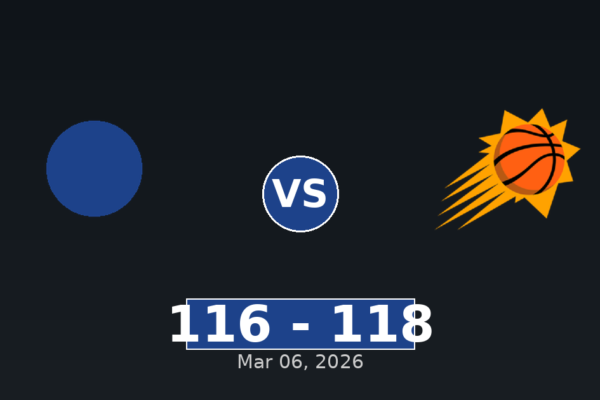
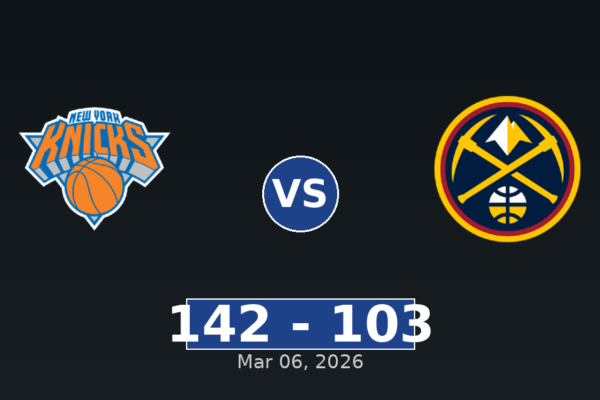
Her daily NBA coverage includes context that casual observers miss. When the Oklahoma City Thunder defeated Orlando 128-92 on February 3, she explained what the 36-point margin meant for playoff seeding. She analyzed which players performed above expectations and why. Sports journalism requires that depth.
Gaming and Technology: White’s 16 years in tech journalism gave him hardware expertise and industry connections. When Ubisoft’s Rainbow Six Siege servers went offline for 48 hours, he understood the technical and business implications.
His coverage explained what caused the outage, why the fix took two days, and how the shutdown affected Ubisoft’s player retention. Gaming audiences expect that level of detail. Generalists can’t provide it.
What Beat Expertise Delivers
Specialists recognize stories that matter. When Spectrum Maine customers reported prorated billing issues in November 2025, White knew this represented a larger telecommunications problem. He investigated the billing system, found a pattern affecting multiple customers, and traced the issue to company policy changes.
A generalist might have written about one customer complaint. White found the systemic problem.
Lehrer’s aviation background helps her identify newsworthy incidents. Not every emergency landing deserves coverage. But when EasyJet flight U22238 diverted to Newcastle and sent a passenger to the hospital in December 2025, she recognized the significance. Her article included the medical response timeline, airline procedures for in-flight emergencies, and how quickly crews acted.
Aviation specialists know which details matter. Generalists often miss them.
Carswell’s legal experience shows in immigration detention coverage. When she reported on Pang Bailey’s deportation after 47 years of U.S. residence, she explained the legal mechanisms that allowed it. She detailed which court decisions applied, what appeals existed, and why the case proceeded despite decades of residency.
Legal complexity requires reporter expertise. Her nine years of court coverage provided it.
Lindqvist’s Sports Illustrated background prepared her for daily NBA statistics. She publishes detailed player performance data within hours of games ending. Her coverage of Lakers-Knicks matchups includes shooting percentages, defensive ratings, and lineup efficiency.
Sports statistics require context to mean anything. Her reporting provides both numbers and interpretation.
Industry Connections That Matter
Years on a beat build source relationships. White’s 16 years in gaming journalism gave him developer contacts, industry insider access, and publisher relationships. When Grimwild RPG’s crowdfunding collapsed, leaving 1,187 backers without refunds, he reached sources who explained what happened.
His article detailed the funding timeline, identified where money went, and documented communication failures between developers and backers. Those details required industry knowledge and source trust.
Lehrer’s aviation sources include airline representatives, airport officials, and aviation safety experts. When TUI flight BY6754 returned after detecting burning smells on takeoff in November 2025, she contacted multiple sources. Her article combined airline statements, pilot reports, and maintenance assessments.
Aviation journalism needs those connections. Thirteen years of travel reporting built them.
Carswell’s legal sources span prosecutors, defense attorneys, court officials, and immigration lawyers. Her coverage of Victor Avila’s detention despite a judge’s ruling included perspectives from his legal team, ICE representatives, and immigration law experts.
Court reporting demands source diversity. Her years covering legal proceedings established those relationships.
Technical Knowledge Readers Need
Gaming coverage requires hardware understanding. When White reviews graphics cards or explains processor benchmarks, readers get technical accuracy. His article on Nvidia price targets connected chip architecture to market valuation because he understands both topics.
Generalists summarize press releases. Specialists explain technical implications.
Aviation reporting needs operational knowledge. When Lehrer writes about emergency landings, she explains flight procedures, backup systems, and pilot decision processes. Her coverage of aviation incidents educates readers about how commercial flight actually works.
Legal journalism demands case law familiarity. Carswell’s articles cite relevant precedents, explain jurisdiction issues, and clarify appeal processes. Her $314 million Google verdict coverage included legal context that helped readers understand the decision’s significance.
Sports analysis requires statistical literacy. Lindqvist’s NBA coverage interprets shooting percentages, defensive ratings, and plus/minus statistics. She translates numbers into game narratives that casual fans can follow.
Why This Model Works for Readers
Readers following specific topics want expert coverage. NBA fans checking game statistics need accurate data and informed analysis. Lindqvist’s Sports Illustrated background ensures they get both.
People tracking legal cases want court-savvy reporting. Carswell’s nine years covering criminal and civil proceedings means her articles explain cases clearly without oversimplifying.
Aviation watchers need knowledgeable incident coverage. Lehrer’s 13 years in travel journalism gives her the expertise to separate routine events from significant problems.
Gaming audiences expect technical depth. White’s 16 years testing hardware and reviewing games means his coverage meets industry publication standards.
The Specialist Advantage
Beat reporters know their subjects well enough to recognize when sources mislead them. They understand industry norms that help identify outliers. They’ve covered enough similar stories to spot patterns.
When Newzire hired four journalists, each brought established expertise. None needed training on their coverage areas. Each understood their beat before writing the first article.
This matters during breaking news. When stories develop quickly, specialists make informed decisions about what matters. Generalists often wait for official summaries.
Aviation emergencies require quick assessment. Lehrer’s experience helps her determine which incidents need immediate coverage. Legal proceedings move through predictable stages. Carswell knows which court decisions carry weight.
Gaming industry problems follow patterns. White recognizes them. Sports statistics tell stories. Lindqvist reads them.
Three Months of Specialized Coverage
Since November 2025, four beat reporters produced hundreds of articles. Each stayed in their lane. None wrote outside their expertise.
The result: legal coverage that cites court documents correctly, aviation reporting that uses proper terminology, sports statistics that match official records, gaming articles that understand technical requirements.
Readers who return daily know what to expect. Legal developments get explained clearly. Aviation incidents get reported accurately. NBA games get analyzed thoroughly. Gaming news gets covered with technical depth.
Beat journalism takes years to develop. Newzire hired reporters who already put in that time. Readers get the benefit of their accumulated expertise.